




FAQ from the Campsites Association
of the Hautes-Pyrénées
The Hautes-Pyrénées in France
Where are the Hautes-Pyrénées located in mainland France?
The Hautes-Pyrénées (65) is a department in south-west France, located in the heart of the Pyrenees mountain range, on the border with Spain. Its prefecture is Tarbes, and the town of Lourdes is one of its busiest international gateways.
The number 65 corresponds to its alphabetical rank in the numbering of French departments, introduced during the Revolution. In alphabetical order of the former regional names, the Hautes-Pyrénées ranks 65th among the 95 metropolitan departments.
The department is bordered by:
- to the north and west: Pyrénées-Atlantiques (64) and Haute-Garonne (31);
- to the east: Gers (32) and Haute-Garonne (31);
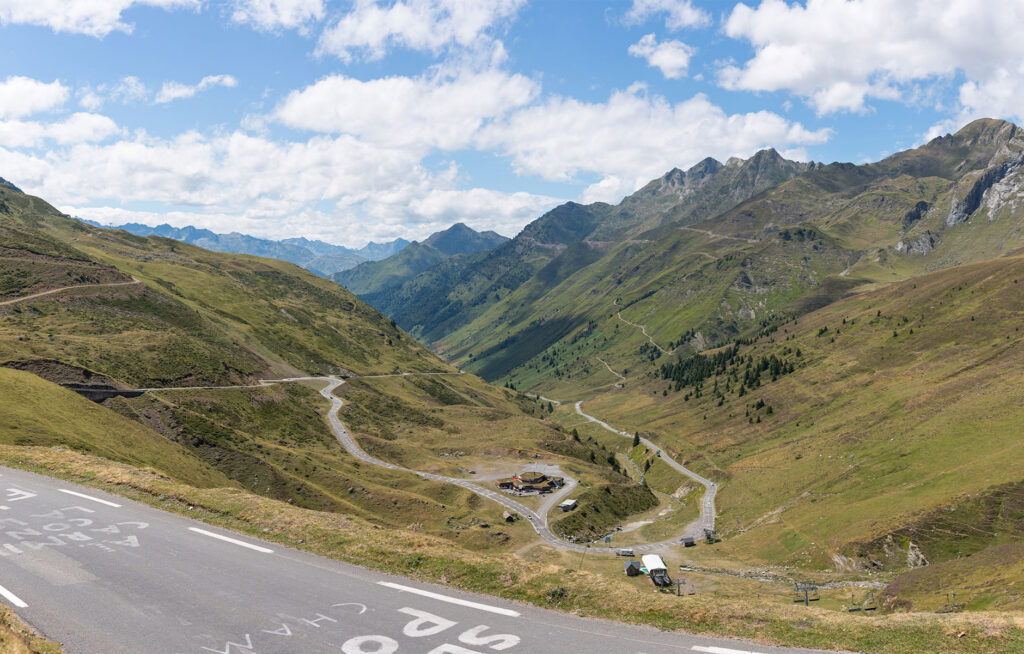
- to the south: the border with Spain (Autonomous Community of Aragon), accessible in particular via the Col du Tourmalet or via Gavarnie.
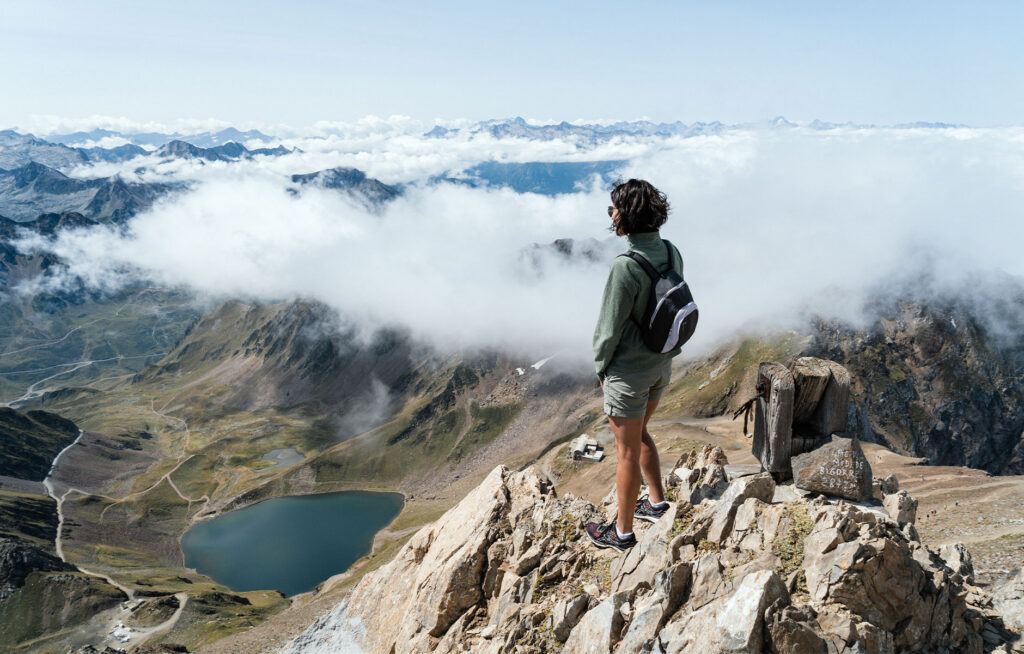
With its highest point at Pic du Midi de Bigorre (2,877 m) and peaks rising above 3,000 m, the Hautes-Pyrénées offer outstanding mountain scenery less than 2 hours from Toulouse.
What is the best season to camp in the Hautes-Pyrénées?
Most campsites in the department are open from May to September, with peak visitor numbers in July and August. Some campsites located in the valleys remain open year-round or from early spring.
The summer season is ideal for hiking, swimming, and outdoor activities. Spring and autumn offer quieter conditions, with lush vegetation and fewer people on the trails.
Getting to the Hautes-Pyrénées
How can you get here by plane?
The nearest airport is Tarbes–Lourdes–Pyrénées Airport (TLN), located about twenty kilometres from Tarbes. It offers seasonal flights from several French and European cities.
You can also reach the Hautes-Pyrénées from:
Toulouse–Blagnac (~1h30 from Tarbes), the largest regional airport with numerous international connections. Pau–Pyrénées (~1h from Tarbes), with domestic routes.
How can you get here by carpooling or by long-distance coach?
Carpooling and long-distance coaches are economical and eco-friendly alternatives for reaching the Hautes-Pyrénées:
BlaBlaCar – Peer-to-peer carpooling to Tarbes, Lourdes, or the Pyrenean valleys.
BlaBlaBus – Low-cost long-distance coach routes, with departures from Paris and major cities.
Consider local carpooling once you are there to explore the valleys: many campers share rides to trailheads.
How can you get here by train?
Tarbes station is served by TGV trains from Paris (approx. 4h30) and TER trains from Toulouse (approx. 1h30). Lourdes station is also a major hub for travellers coming from the north and east.
Book your train tickets on SNCF Connect!
LiO – Occitanie Transport – Network of regional coaches and trains serving the department.
The LiO network (Lignes d’Occitanie) offers intercity coach routes and TER rail connections to reach the main valleys of the Hautes-Pyrénées from Tarbes or Lourdes.


Your first camping trip
What do I need to pack for a successful hiking and nature experience ?
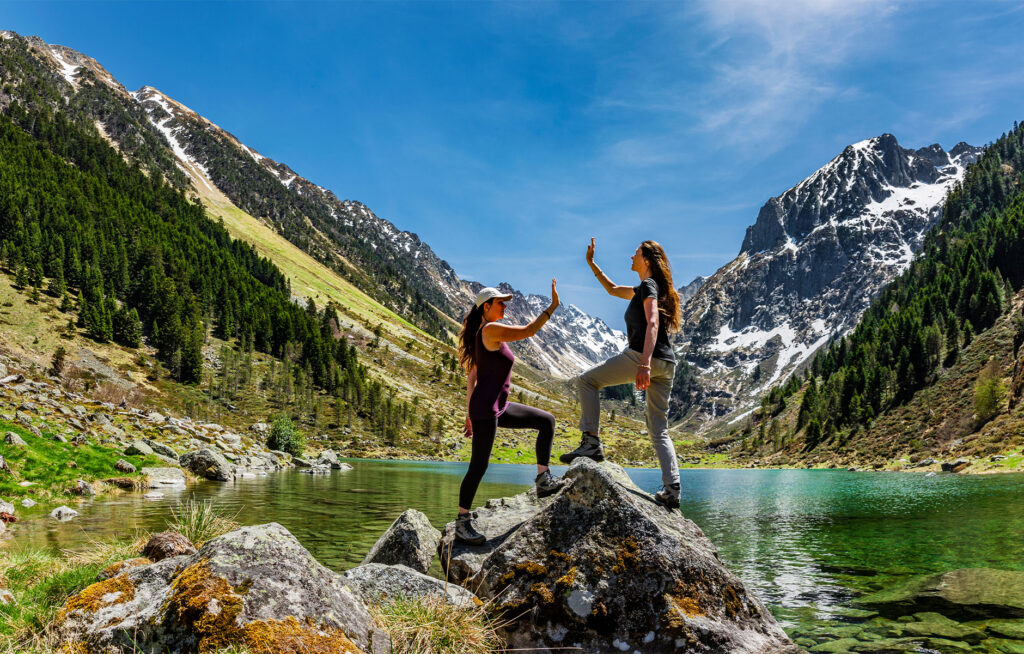
The Hautes-Pyrénées are an exceptional playground for hikers. To make the most of it:
✅ Hiking boots — essential for climbing up to Lac de Gaube or exploring the trails of the Pyrenees National Park;
✅ Walking poles — very useful for reaching the Cirque de Gavarnie, a UNESCO World Heritage Site;
✅ Reusable water bottle — to stay well hydrated by Lake Néouvielle or during long outings at altitude;
✅ Backpack — to carry a picnic, warm clothing, and equipment with Pic du Midi as your backdrop.
What to bring for a treat local specialities ?
Bigorre cuisine is among the most flavourful in the Pyrenean foothills. To make sure you miss nothing:
✅ A cooler — to bring back Porc Noir de Bigorre AOP, cheese, and local cured meats from the markets;
✅ A corkscrew — Madiran (the region’s AOC red wine) will not open itself;
✅ A good appetite — to taste garbure (traditional country soup) and gâteau à la broche, a Pyrenees speciality ✅ Space in the boot — local markets are full of specialities you will not be able to resist: honey, ewe’s milk cheese, confits, Madiran and Pacherenc wines…
What do I need to bring to enjoy bathing and enjoying the freshness of the torrents ?
✅ Swimsuit — to enjoy the campsite pool and local swimming spots
✅ Water shoes — ideal for cooling off in crystal-clear Pyrenean torrents
✅ Sunscreen and a cap — the sun is strong in the Pyrenees, especially at altitude where UV levels are higher
Even under clear skies, remember to protect yourself: altitude significantly increases exposure to UV rays.
What are the essentials to make the most of my stay?
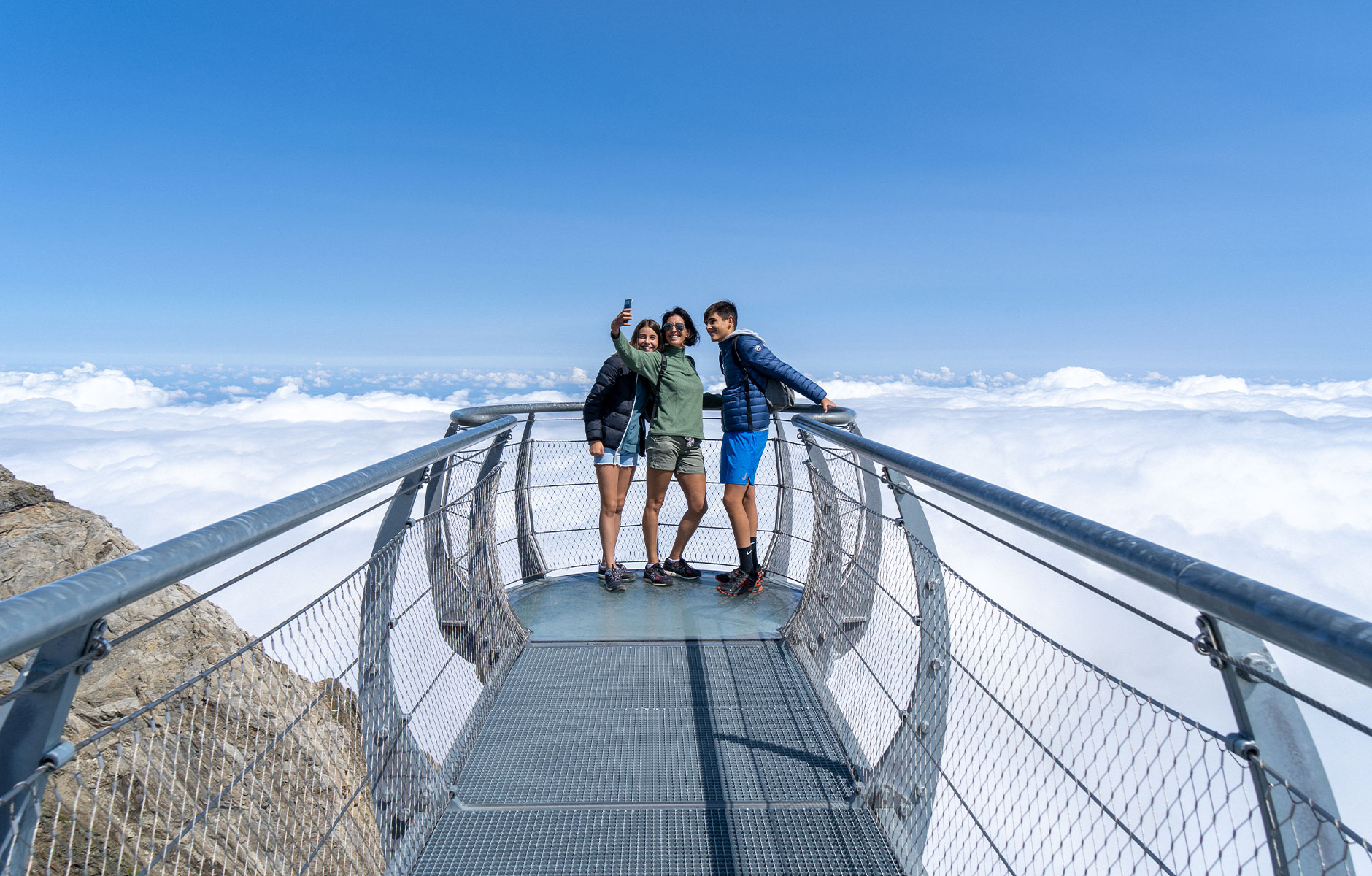
✅ Your camera — so the panoramas are never forgotten: Vignemale, Lac de Gaube, Cirque de Gavarnie… every viewpoint deserves to be captured
✅ The desire to disconnect — here, the Wi-Fi is the view. The mountains invite you to look up from your screen
✅ Your sense of adventure — 91 campsites are waiting for you in the Hautes-Pyrénées, between valleys, lakes, and peaks!
Camper best practices in the Hautes-Pyrénées
May I pick flowers, mushrooms, or berries in nature?
Foraging is regulated, particularly in the Pyrenees National Park where it is strictly prohibited — whether flowers, mushrooms, berries, or any natural element.
Outside protected areas, foraging is tolerated within the limits of strictly personal use and non-commercial purposes, and with respect for private property. It must never endanger local plant species.
Reminder: more than 200 plant species are protected in the Pyrenees. When in doubt, refrain and admire without picking.
How to manage my waste when hiking or camping?
The Hautes-Pyrénées are an outstanding natural area. Their preservation depends on our everyday behaviour:
✅ Always carry a rubbish bag in your backpack to take your waste back to the campsite or collection points;
✅ Do not leave any waste in nature, even biodegradable waste (fruit peels, cigarette butts, food scraps): it alters natural environments and attracts wildlife;
✅ Follow the Leave No Trace principle: leave without any trace of your visit;
✅ If you come across litter along the way,pick it up: it is a simple and valuable gesture for the environment;
✅ Use the campsite’s dry toilets or sanitary facilities, never the areas around springs, lakes, or torrents.
Can I swim in lakes and streams ?
Swimming in the mountain lakes of the Pyrenees National Park is prohibited in order to preserve fragile aquatic ecosystems (wildlife, flora, water quality).
Outside protected areas, some lakes and torrents allow swimming. Always check with your campsite or the local tourist office before swimming, and follow on-site signage.
Pyrenean torrents are cold, fast, and unpredictable. Swim only in authorised and supervised areas.
What other eco-friendly actions should I adopt during my stay?
✅ Stay on marked trails to avoid trampling flora and prevent soil erosion
✅ Avoid making fires outside designated campsite areas; wildfires are prohibited and dangerous in the mountains
✅ Respect wildlife: do not approach or feed animals (marmots, chamois, vultures…)
✅ Prefer biodegradable personal hygiene products, especially near water sources.
✅ Prioritise local shops and producers to consume seasonal products and support the mountain economy


Weather and climate
What is the climate of the Hautes-Pyrénées?
The department has a mountain climate with Atlantic influence, characterised by mild to warm summers in the valleys, cold and snowy winters at altitude, and fairly frequent precipitation throughout the year.
In the valleys (Tarbes, Lourdes), summer temperatures range between 20 and 30°C. At altitude, it can be cool or even cold even in mid-summer: at 2,000 m, expect 10 to 15°C less than on the plains.
Mountain thunderstorms are common in the afternoon in summer. Start your hike early and descend before 2 PM if the sky starts to build up.
Where can you check the weather before a hike or a mountain outing?
Always check the weather forecast before setting off, especially for hikes at altitude. Here are reliable sources:
- Météo-France – official forecasts, mountain bulletins, and weather warnings
- Météo-France Mountain Bulletins – specifically for high mountains (snow cover, thunderstorm risk, wind at altitude)
- Lightningmaps.org – real-time lightning and thunderstorm tracking, very useful for anticipating risks during hikes
- Meteoblue – hour-by-hour forecasts with mountain weather models, very accurate at altitude
Remember to download offline forecasts before heading into areas without mobile coverage.
What to wear when hiking or camping in the Hautes-Pyrénées ?
The golden rule in the mountains: layering. Even in summer, conditions can change within minutes.
- T-shirt / tank top for hot days in the valleys and the first hours of hiking
- Fleece or jumper essential from 1,500 m altitude, even in July–August
- Light beanie to pack even in summer for cool nights and summits
- Cap / hat: essential sun protection at altitude
- Windbreaker / waterproof jacket to slip into your bag, always — rain can take you by surprise
- Closed-toe shoes even for a short walk; avoid sandals on trails
Tourist offices
Tourist offices are your local contacts for any questions about activities, routes, accommodation, and events in the area.
Here are their contact details:


These details are provided for information purposes only. Please check opening hours directly with each office, especially outside the peak season.